Finding an overseas job that matches your experience can be exciting. You may have the right skills, a strong CV and even an employer interested in your profile. At that point, it is easy to focus on the opportunity itself and leave the paperwork for later.
But there is another question worth asking early:
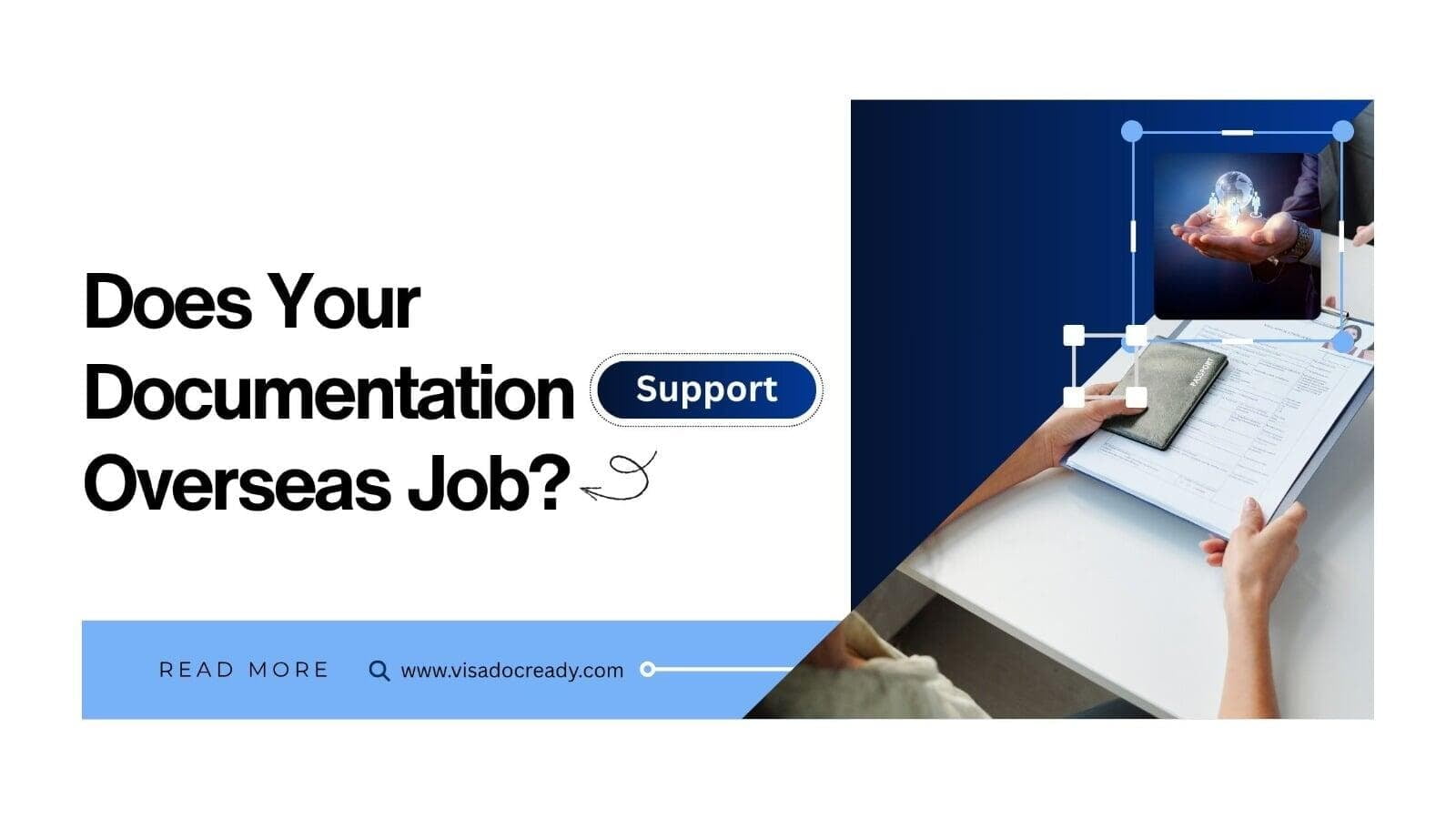
Does your documentation actually support the experience and qualifications you are presenting?
Your documents tell the story behind your CV. If the details are incomplete, unclear or inconsistent, you may have more work to do before moving ahead.
Your Job Title Does Not Tell the Whole Story
A job title is only one part of your professional background.
For example, two people can have the same job title but very different responsibilities and levels of experience. When your professional background is being reviewed, details such as your duties, employment period, qualifications and supporting evidence can all matter.
This is why it is useful to look beyond the title on your CV.
Ask yourself:
Does my employment history clearly show what I did?
Are my job dates accurate?
Do my certificates support the experience I have listed?
Are the details consistent across my documents?
These simple checks can help you spot issues before they become a bigger concern.
What Overseas Job Document Verification Can Reveal
When preparing for an overseas opportunity, your documents should tell a consistent story.
For instance, your CV may state that you worked for a company from 2021 to 2024, while an experience letter could show different dates. Your job title might also appear differently on another document.
These differences may have a simple explanation, but they are still worth checking.
Overseas job document verification can help you review your records for missing information, inconsistencies and details that may need clarification.
The purpose is not to make your documents look perfect. It is to make sure the information you provide is accurate and properly supported.
Your Employment History Needs Supporting Evidence
Your work experience is valuable, but you may need documents to support the claims you make about it.
Depending on the opportunity and requirements involved, this could include employment letters, experience certificates, contracts, payslips or other employment records.
The exact documents needed can vary, so it is important not to assume that one checklist applies to every situation.
What matters is having reliable evidence that supports the relevant parts of your employment history.
It is also worth checking older records early. If you need a document from a previous employer, getting it may take time. Finding out that something is missing at the last minute can make the process unnecessarily stressful.
Qualifications Should Match Your Professional Story
Your employment documents are not the only records worth checking.
Your qualifications, training certificates and other educational documents should also be reviewed carefully. Names, dates, course details and other information should be accurate and consistent.
If your CV says one thing while your certificates or supporting documents suggest something different, it is better to understand the reason before you need to submit them.
This is particularly important when your qualifications and professional experience are relevant to the overseas opportunity you are pursuing.
Consider Your Visa Pathways Before Preparing Everything
An overseas job does not automatically mean there is only one route to working in that country.
Different visa pathways can have different requirements based on factors such as occupation, qualifications, work experience, employer sponsorship and other eligibility criteria.
That is why it helps to understand the pathway you are considering before gathering documents at random.
You may already have many of the records you need. You may also discover that some information needs to be updated, clarified or supported with additional evidence.
Starting with this understanding can make your preparation more focused.
Immigration Document Preparation Is About More Than a Checklist
It is easy to think of paperwork as simply collecting documents from a list.
In reality, preparation also involves checking whether the documents work together.
Immigration document preparation can involve reviewing employment records, qualifications and supporting information to identify gaps or inconsistencies before they become an issue.
For example, you may need to check whether:
Employment dates match across records
Job titles are presented consistently
Employer details are correct
Qualifications contain accurate information
Supporting documents are complete
Important evidence is still missing
A checklist tells you what you may need. A careful review helps you understand whether what you have is actually ready to use.
Start Checking Before You Need the Documents
Waiting until you are preparing an application can leave very little time to fix problems.
Perhaps an old employment certificate is missing. Maybe a previous employer needs to confirm information. Perhaps you notice that dates on two documents do not match.
These things are easier to deal with when you have time.
Reviewing your documents early gives you a chance to find gaps, request missing records and clarify information without rushing.
It also gives you a better idea of where you stand before making important decisions about your overseas career plans.
Your Opportunity Deserves Strong Supporting Evidence
Finding the right overseas job can take considerable effort. Your documents should not be an afterthought.
Before you take the next step, look at your CV, employment records, qualifications and supporting documents together. Do they tell the same story?
If something does not match, do not ignore it. Find out why and address it early.
At Visa Doc Ready, the focus is on helping individuals understand the readiness of their documents for overseas work and visa pathways. By identifying gaps and inconsistencies early, you can approach the next stage with a clearer understanding of what is ready and what still needs attention.
The right opportunity matters. So does having the documentation to support it.